
From Kingston Black to Cellar Pour: The Lost Art of Somerset Farmhouse Cider
Rediscovering the Living Spirit of the West Country Orchard
Step into a traditional West Country pub outside Bath and the first impression is often one of quiet permanence: flagstones softened by generations of footsteps, oak beams darkened by time, and a polished bar with casks resting behind it. Beyond the windows, Somerset’s orchards run through the landscape in gentle folds. In the glass, however, the drink may be far removed from the familiar image of cider as a sugary, ice-laden refresher. A proper farmhouse pour can be dry, still, earthy and deeply aromatic, with the poise of a country wine and the character of the soil in which its apples were grown.
For visitors searching for heritage cider knowledge, Somerset offers an especially rich place to begin. Traditional cider here is not simply apple juice with alcohol and bubbles added. It is a vintage-driven agricultural craft, shaped by orchard age, variety, weather, fermentation and patient cellaring. The journey from tree to cellar pour begins with apples bred for tannin and acidity rather than the lunchbox, and ends with a drink whose balance may reveal baked fruit, leather, mineral freshness and a restrained farmstead funk.
The True Anatomy of Traditional Somerset Cider Apples
Traditional cider fruit is commonly divided into four broad families: bittersweet, bittersharp, sharp and sweet. The names describe the relationship between tannin, acidity and sugar. Bittersweet apples bring body, weight and a drying grip, while bittersharps combine that tannic structure with lively malic acidity. Sharps contribute freshness and lift, and sweet apples provide fermentable sugar, rounded fruit and a softer impression. The finest farmhouse blends use these elements much as a winemaker uses grape varieties, creating proportion rather than simply chasing strength.
Culinary and dessert apples can certainly ferment, but they rarely offer the full architecture required for a classic West Country cider. They tend to be selected for crispness, sweetness, juiciness or attractive texture when eaten fresh. Their tannin levels are often too low, and their acidity can be either insufficient or too simple, leaving the finished drink thin, hot or overly fruit-forward. Cider apples, by contrast, may taste coarse or astringent straight from the tree, yet those qualities become valuable after pressing and fermentation. Complex tannins provide length and structure, while natural malic acid preserves freshness as the cider matures.
| Apple category | Tannin | Acidity | Contribution in the glass |
|---|---|---|---|
| Bittersweet | High | Low to moderate | Body, depth, drying grip and ripe fruit weight |
| Bittersharp | High | High | Structure, brightness, length and serious ageing potential |
| Sharp | Low to moderate | High | Freshness, precision and a clean, mouth-watering finish |
| Sweet | Low | Low to moderate | Sugar, approachable fruit and roundness |
The Regal Mystery of the Kingston Black
Among Somerset’s celebrated cider apples, Kingston Black carries an almost theatrical reputation. It originated near Kingston St Mary, north of Taunton, and was introduced as a named variety during the nineteenth century. The small, dark-red fruit is primarily a cider apple rather than an eating apple, and its juice is traditionally classified as bittersharp. Orchard references describe it as a poor or inconsistent cropper, slow to begin bearing and vulnerable to problems including canker and scab. It is also generally regarded as a biennial bearer, which means a generous harvest may be followed by a quieter one.
Those difficulties have helped create the variety’s mythology, but its reputation is not based on romance alone. Kingston Black possesses an unusual biological balance of tannin, acidity and sugar, allowing a skilled producer to make a complete cider from a single variety. That is rare. Most farmhouse ciders are blends because no individual apple reliably supplies every element required for balance. Kingston Black can provide firm phenolic structure without losing brightness, though the result remains highly dependent on vintage, orchard site, picking date and fermentation decisions. Tasting comparisons of single-variety bottlings show marked differences between producers, proving that the name on the apple is only the beginning of the story.
- Orchard challenge: the trees may crop lightly or irregularly and can require attentive disease management.
- Harvest character: the fruit is usually picked late, often in early November, when flavour and sugar have developed fully.
- Glass profile: expect firm tannins, crisp acidity, baked apple, earth, spice and a long, savoury finish.
- Blending potential: even when bottled alone, Kingston Black demonstrates the structural role that bittersharp fruit plays in a broader Somerset blend.
A pure Kingston Black pour can be quietly profound. The first impression may suggest baked orchard fruit, followed by a leathery tannic texture that gathers around the gums rather than announcing itself as sweetness. Bright mineral acidity keeps the finish lifted, while notes of spice, peel, dry earth and sometimes smoke emerge as the cider warms. In one cellar the expression may be taut and savoury; in another, richly fruity or gently off-dry. This variation is precisely what makes it a heritage drink rather than a branded flavour formula.
From Scrumpy Myths to the Nuance of Wild Fermentation
Scrumpy is often reduced to a caricature: rough, cloudy cider of uncertain strength, poured as a dare rather than enjoyed as a drink. That image misses the distinction between poorly made cider and traditional cider made with minimal intervention. Wild fermentation begins with the yeasts present on fruit, equipment and in the cellar. The process can be unpredictable, and it demands careful observation, but it may also produce layers of flavour that commercial fermentation deliberately avoids.
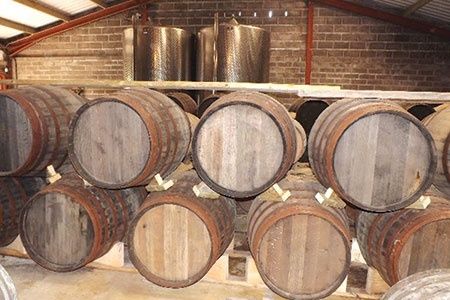
In seasoned wooden casks, a naturally fermented vintage cider can develop subtle funk, dry earthiness, savoury fruit and a farmstead complexity reminiscent of rustic wine. Time allows harsh edges to soften and tannins to knit together. Industrial cider production generally relies on standardised juice, concentrate, selected yeast, filtration and controlled sweetness, methods designed for consistency and broad accessibility. A farmhouse cider instead reflects the season and the orchard. It may not taste identical from one year to the next, but that is part of its charm: the glass records weather, fruit condition and the patient work of the cellar.
The Art of the Pub Pour and Glassware
Excessive chilling is one of the quickest ways to flatten a traditional cider. Very cold liquid suppresses volatile aromas, reduces the perception of fruit and can make tannins seem blunt rather than layered. The popularity of cider served over ice helped establish a refreshing summer ritual, but a dry, still farmhouse cider deserves treatment closer to a mature white wine. Cellar temperatures around 10 to 14°C usually offer a useful balance, allowing orchard aromas to open without making the drink feel heavy.
Glassware matters for the same reason. A stemmed white-wine glass or tulip-shaped vessel gives a dry heritage cider enough room for its aromas to gather, while a traditional wide-rimmed cider mug encourages gentle aeration and presents a generous, rounded drinking experience. Sparkling or bottle-conditioned ciders may need to be chilled more thoroughly for safe opening and lively texture, but still and lightly sparkling pours often improve as they warm gradually in the glass.
- Ask what is on draught. Find out whether the cider is dry, medium, sweet, still or sparkling, and whether it is from a small producer.
- Request a modest pour first. A half pint or tasting measure makes it easier to understand a strong, tannic cider before committing to more.
- Do not judge it immediately. Let the glass stand for a few minutes and revisit the aroma as the temperature rises.
- Taste for structure. Notice the sequence of fruit, acidity, tannin and finish rather than looking only for sweetness.
- Ask about food pairing. Dry farmhouse cider works beautifully with Somerset cheddar, pork, roast poultry, earthy vegetables and rich, savoury pies.
Step Up to the Bar with Confidence and Curiosity
Traditional Somerset cider rewards a change in expectation. It is not merely a casual sweet refresher, nor does every farmhouse expression need to be rough, cloudy or aggressively strong. At its best, it is a composed agricultural drink with vintage character, shaped by apple variety, orchard soil, fermentation and time. Kingston Black illustrates that sophistication particularly well, offering the possibility of a single-varietal cider with both the tannic authority and bright acidity associated with fine wine.
On the next visit to Bath or the Somerset countryside, look beyond the most familiar branded pour. Seek out an independent cellar, a pub with local taps or an orchardist who can explain the varieties behind the blend. Order a dry, still cellar cider at a sensible temperature, take a moment with its aroma, and allow the flavours to unfold alongside a plate of local food. In that measured pour, centuries of Somerset craft become something immediate, generous and entirely alive.